
Texture and fine-line care
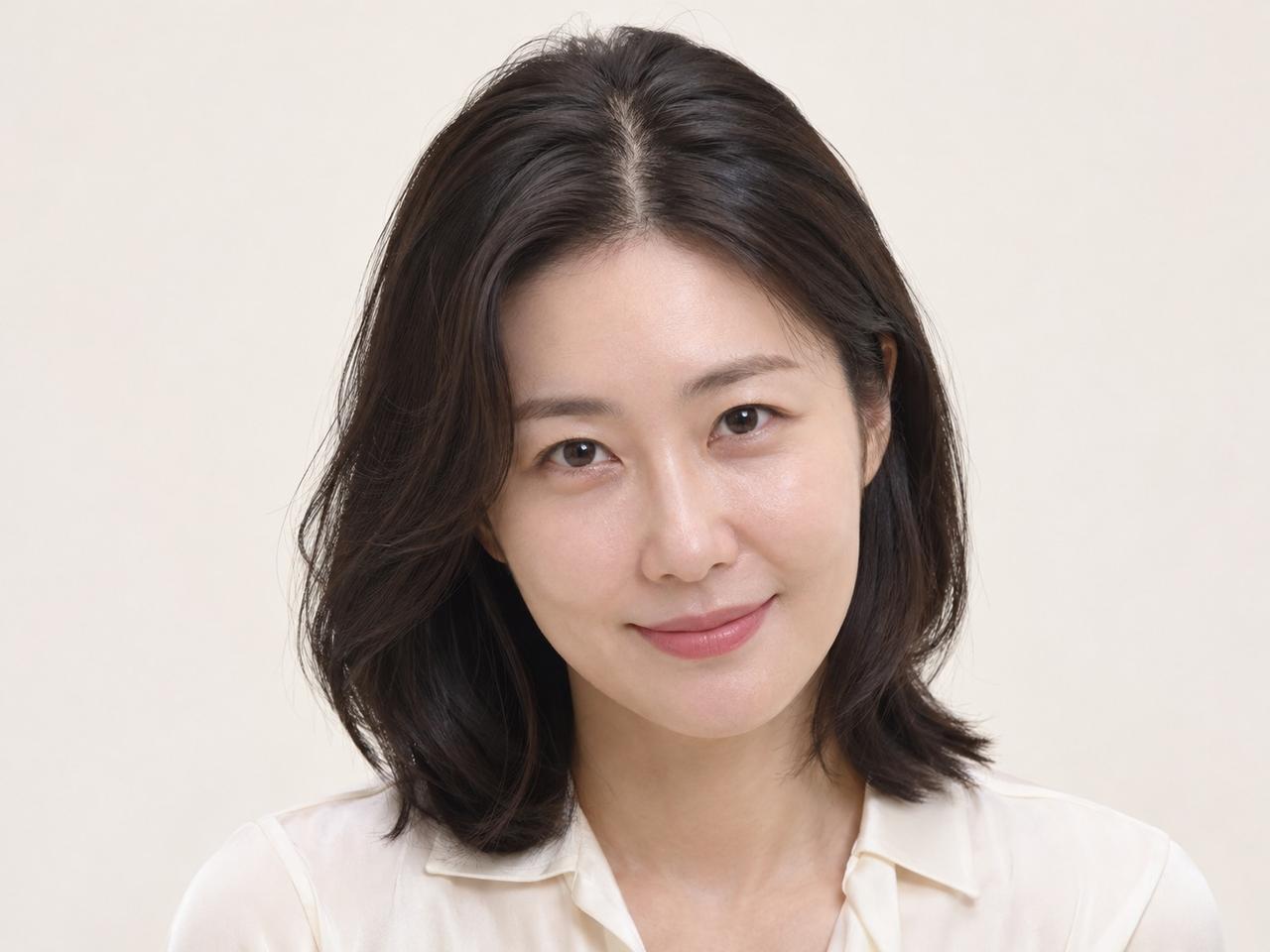
Autologous care may be considered for skin rejuvenation when rough texture and fine lines are concerns. Dryness, irritation and scars are assessed separately.

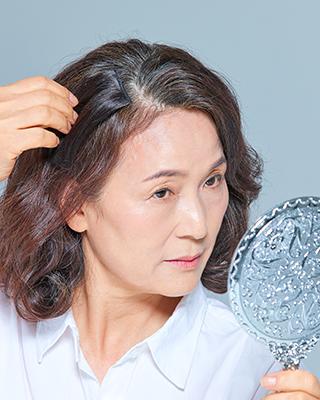
Goals are selected for texture, firmness and scalp condition. Model images illustrate these concerns, not actual treatment results.
Autologous care may be considered for skin rejuvenation when rough texture and fine lines are concerns. Dryness, irritation and scars are assessed separately.
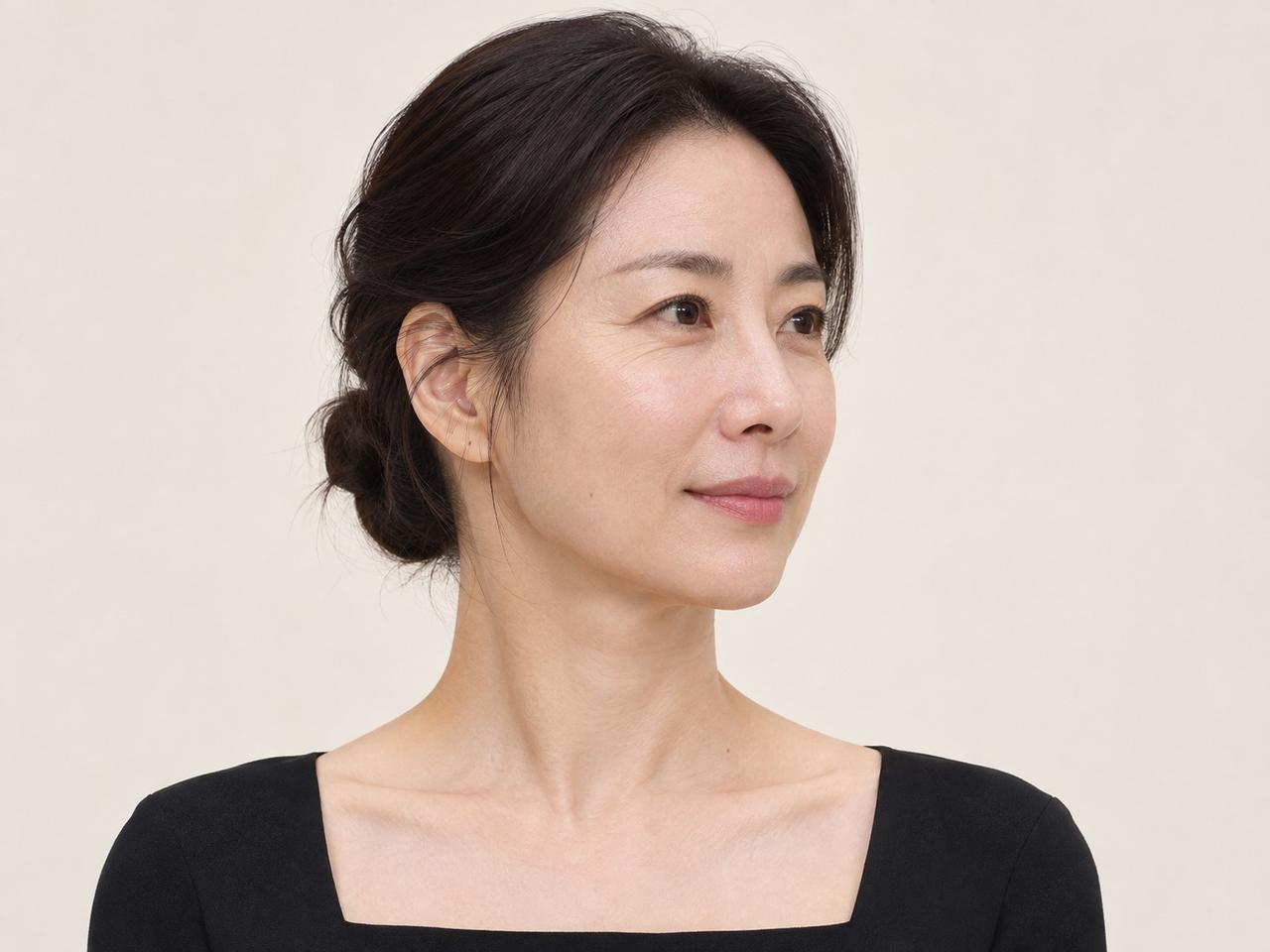
Care can target firmness and overall skin condition. The degree of laxity helps distinguish the roles of autologous care and lifting procedures.
Thinning hair starts with diagnosis of the cause. Scalp and follicular conditions guide whether autologous care may accompany established medication or injection treatment.
The three directions of the D&A program.
Anti-aging care is given by intravenous injection. Suitability is judged after checking your health and treatment history.
Highly concentrated hyaluronic acid is mixed with components prepared from your own blood and injected, aiming at hydration, skin tissue renewal, scars and a damaged skin barrier.
Prepared components are injected directly into the follicles to help prevent follicle shrinkage and to nourish the vessels around the dermal papilla, aiming to strengthen follicles and support hair growth.

The four programs prepare components differently. See how each works, then open its page.
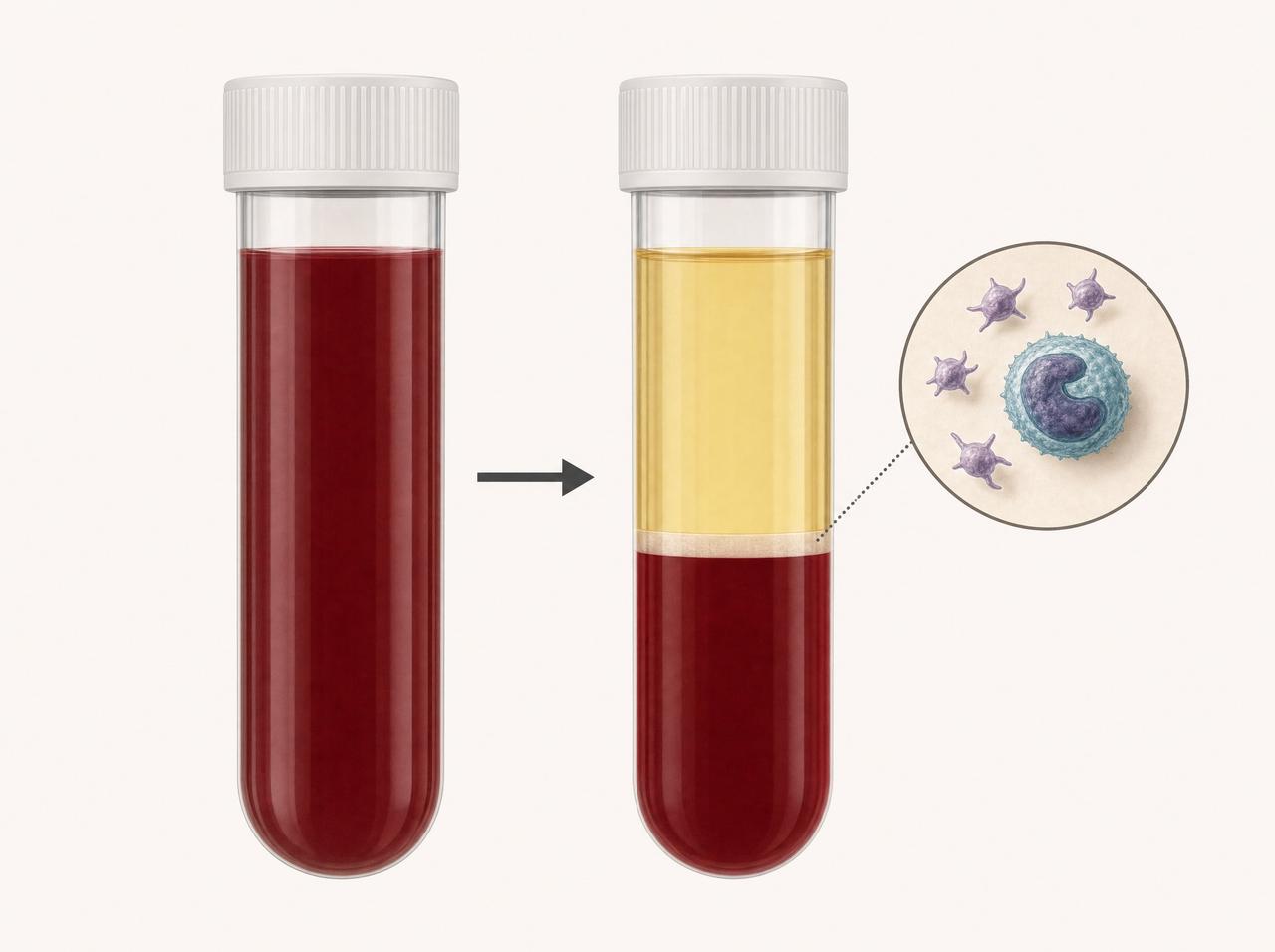
Separates and concentrates autologous blood components, with treatment areas planned for skin or scalp.
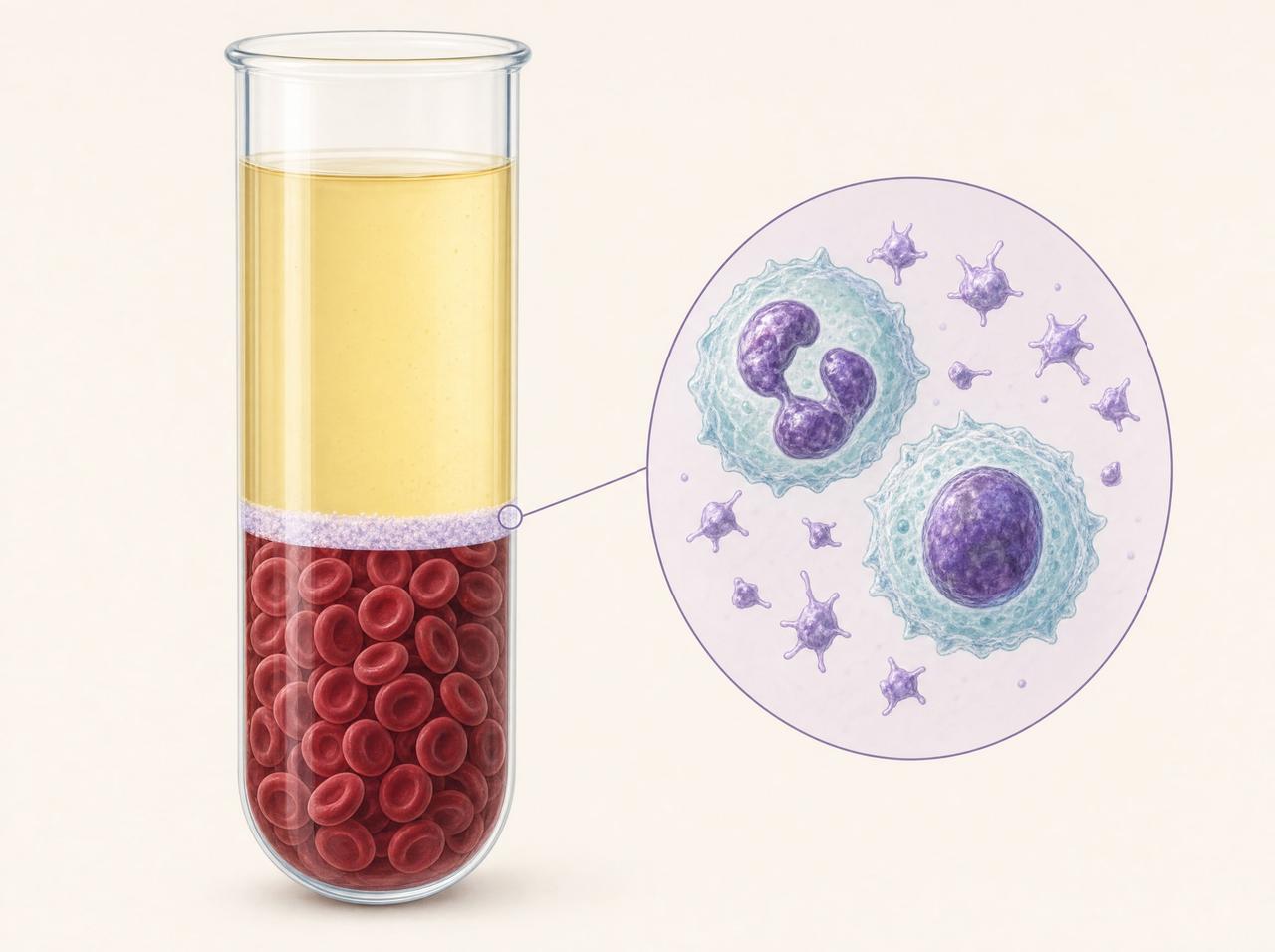
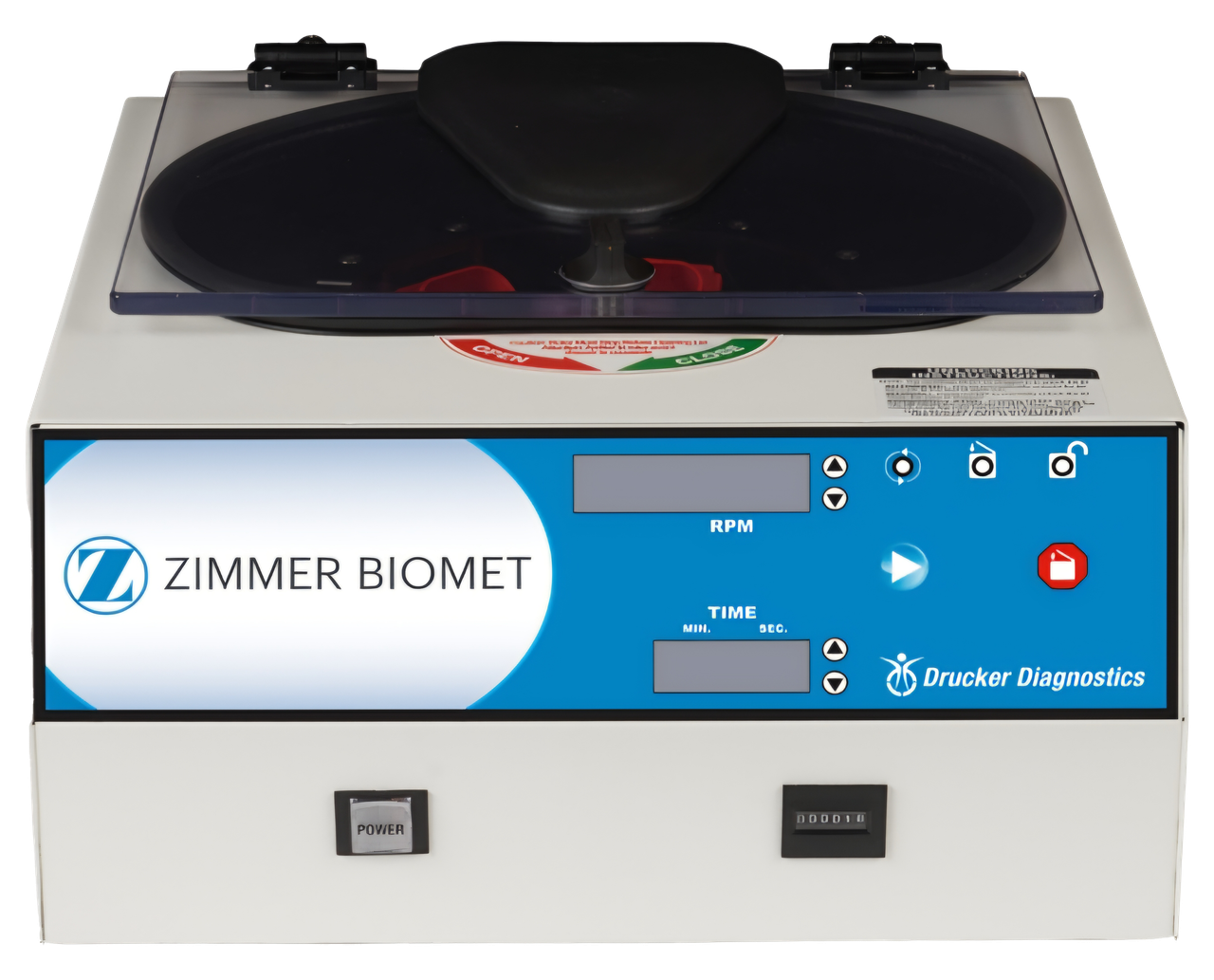
Centrifugation and a dedicated separator collect a fraction containing platelets and white cells.
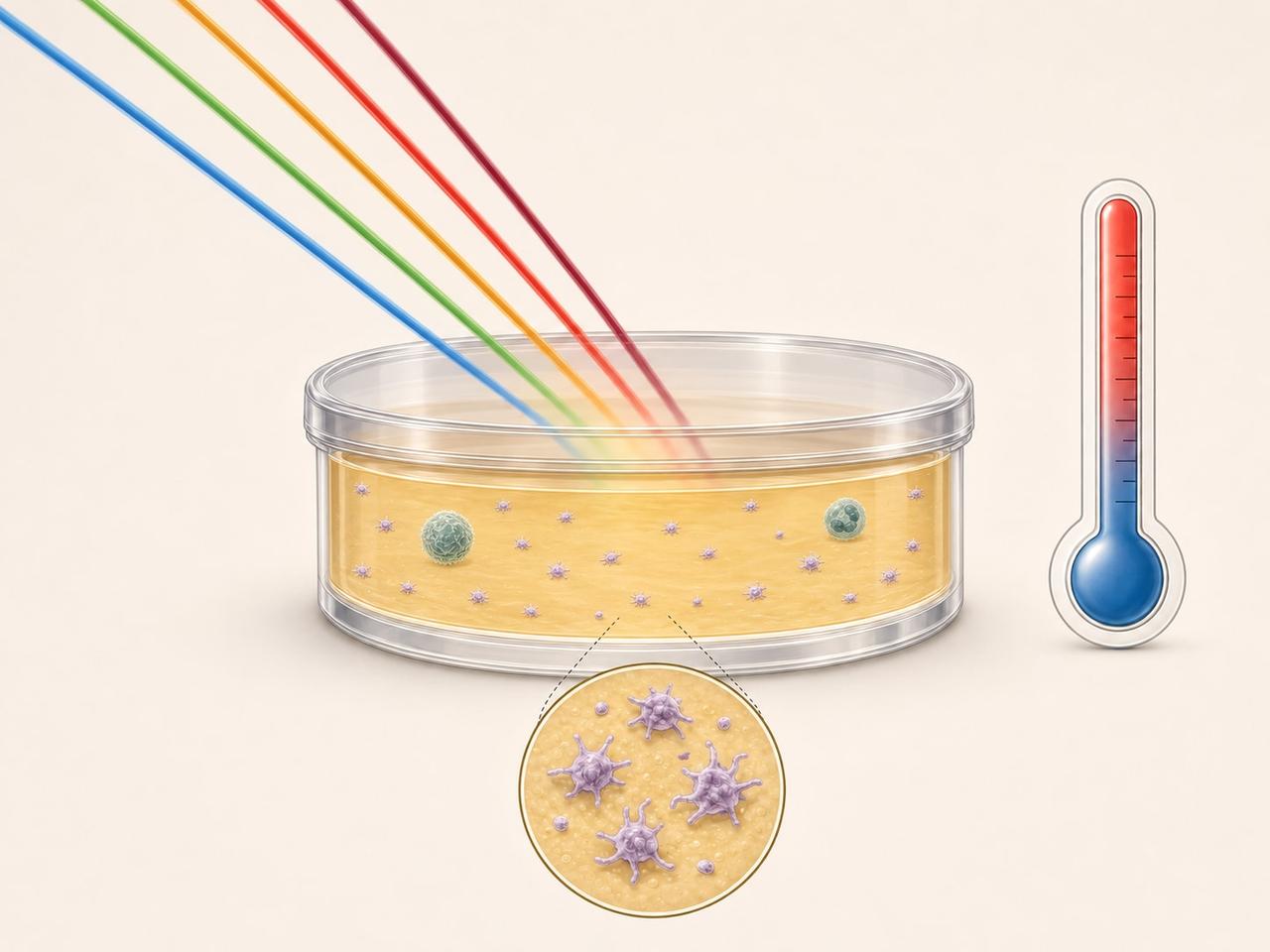
Prepared autologous material is placed in a kit and processed under controlled light and temperature.
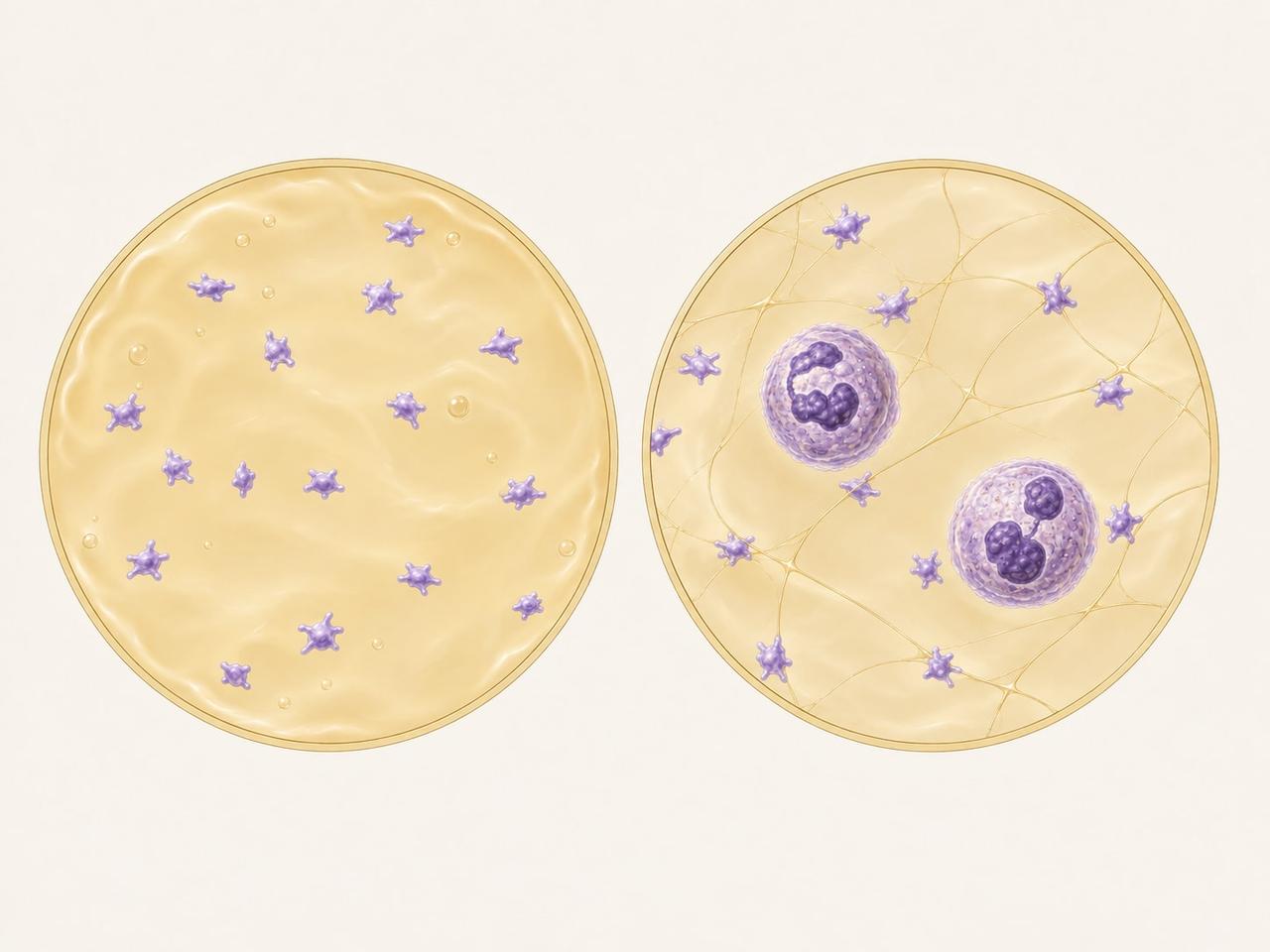
Fibrin containing platelets and cellular components is prepared from your blood without anticoagulant.
Autologous care begins with blood collected from you. Its components include plasma, a platelet-and-leukocyte layer and red cells.
Separation and concentration MiraCell and GPS III focus on preparation of autologous components.
Conditioning and structure MCT applies light and temperature to prepared material; PRF uses a fibrin structure.
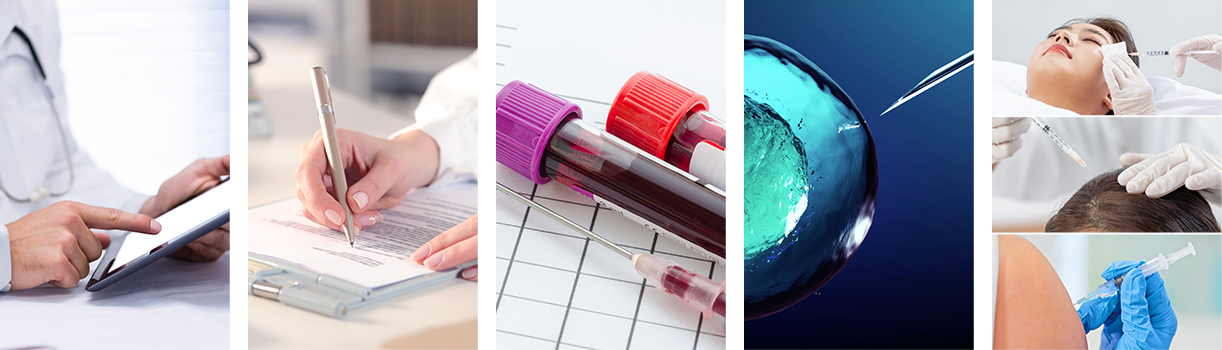
Components from your own blood are combined with growth factors and antioxidants chosen for you.
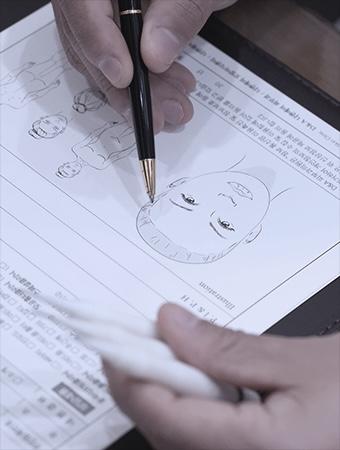
A dermatologist reviews your concerns, health and treatment history.
We mark the skin or scalp areas that need care and design the coverage.
The amount of your own blood the plan needs is drawn.
Components are separated from the blood and prepared by the method of the chosen program.
Prepared components are given to the designed areas, followed by aftercare guidance.
How D&A looks at skin and scalp together.
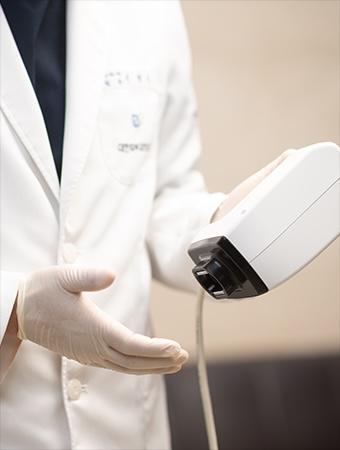
We analyze skin and scalp with high standards and a careful eye.
Every skin and body is different, so each treatment is planned one to one.

We bring out your own features to find a beauty that is yours.
With over 20 years of focus on skin, our six dermatologists look after skin and scalp together.
We choose the autologous program that fits your goal among Miracell, Zimmer, MCT and PRF, and plan it with hair loss care.
D&A has six dermatologists. Skin changes, the onset of hair thinning, previous procedures and ongoing treatments inform the choice of treatment area and method.