D&A Dermatology ClinicD&A Dermatology Clinic

Incisional and Non-Incisional Hair Transplant

We choose between the incisional and non-incisional methods according to your scalp condition and the extent of the transplant. Our main priority is placing hair densely and naturally within a small area.

Incisional vs. Non-Incisional

FUT and FUE differ in harvesting. Density and hair direction require a separate implantation plan.

  • Incisional method

    Incisional method

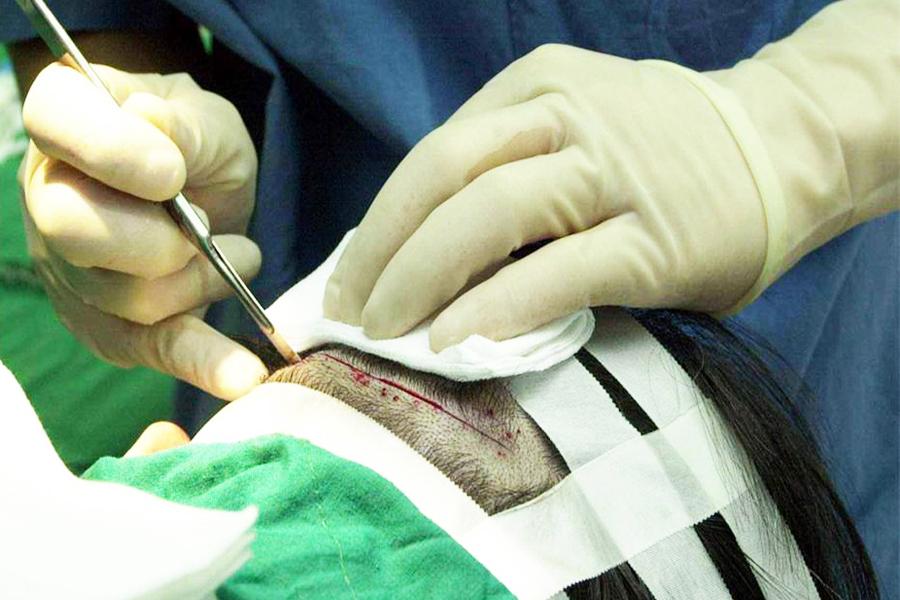
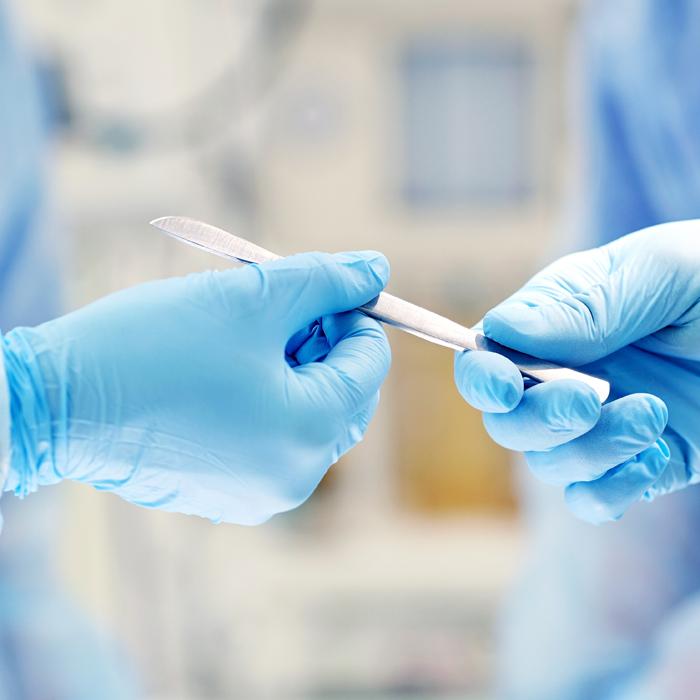
    A strip of scalp is removed with a scalpel, then divided into follicular units for transplanting.
  • Non-Incisional Method

    Non-Incisional Method

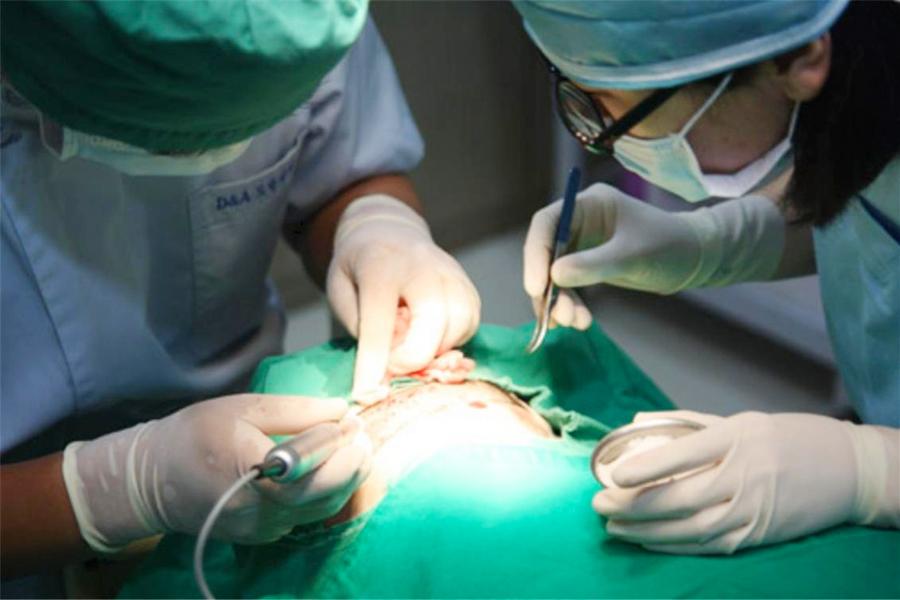
    Follicles are taken with a fitted punch and transplanted. Harvesting and implanting run together, keeping the follicles fresh.

Harvested Follicles Are Transplanted Where They Are Needed

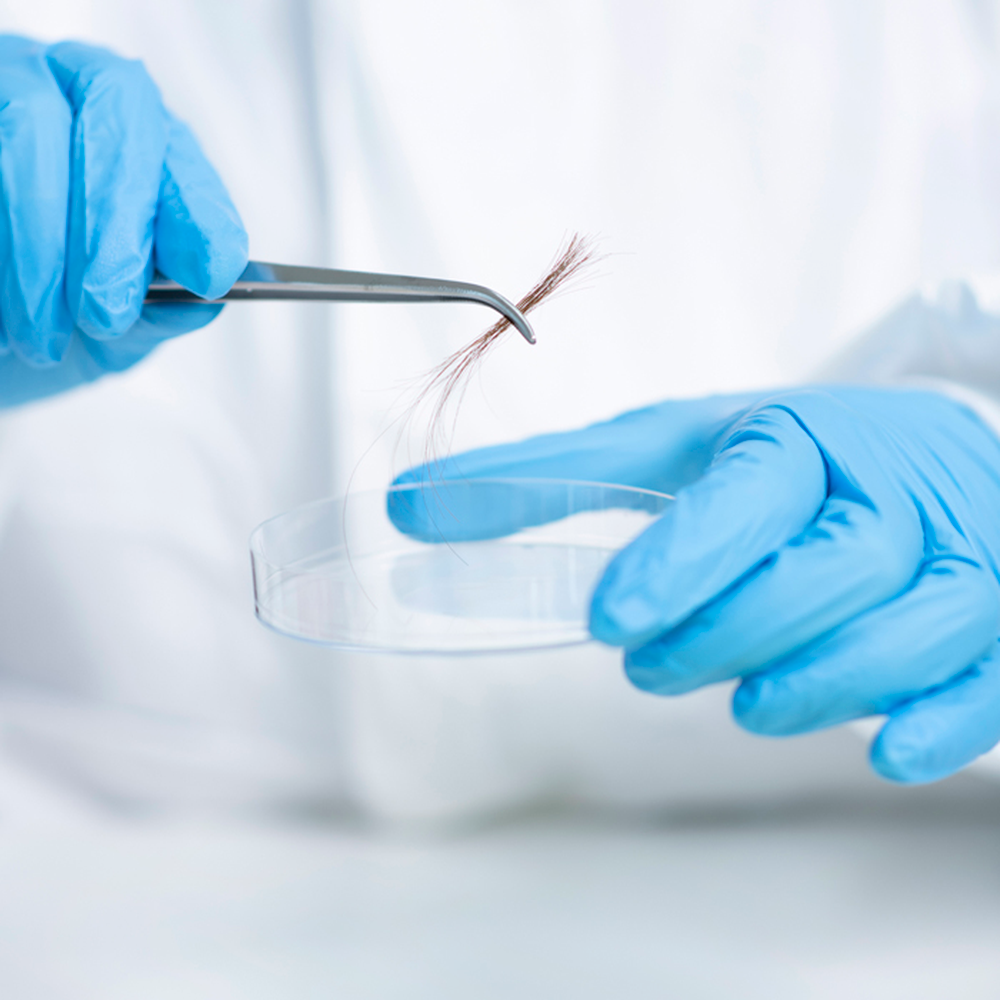
Hair transplantation consists of two steps: harvesting hair follicles and transplanting them to the areas that need them. In the incisional method, follicles are separated from a strip of harvested scalp. In the non-incisional method, follicles are harvested one by one with a punch. The follicles are then placed in the target area, with attention to density and the natural direction of hair growth.
FUT and FUE compared on five points

What matters is the method that fits your scalp and hair.

  • FUT (incision)

    Harvest The doctor removes a strip of scalp with a scalpel and a follicle technician divides it into follicular units.

    Follicles Every harvested follicle can be used.

    Per session 3,000 to 5,000 hairs on average for Koreans.

    Scar A thin linear mark remains along the incision.

    Recovery Sutures or staples need removing.

  • FUE (no incision)

    Harvest With a punch fitted to your follicle size, the doctor selects healthy follicles at the back of the head and takes them one by one.

    Follicles Thick, strong follicles are selected.

    Per session 3,000 to 5,000 hairs on average for Koreans.

    Scar Marks are 1 mm or smaller and hard to see.

    Recovery Wounds are small and shallow, so daily life can resume the next day.

From one-to-one assessment to natural placement

Planning considers donor condition, placement and graft handling as well as graft numbers. The head doctor, who has treated hair loss for over 20 years, performs and follows up each surgery personally.

  • Facial balance and future hair loss

    Facial balance and future hair loss

    One-to-one assessment reviews hairline height, shape and existing hair direction, with careful allocation of donor follicles.
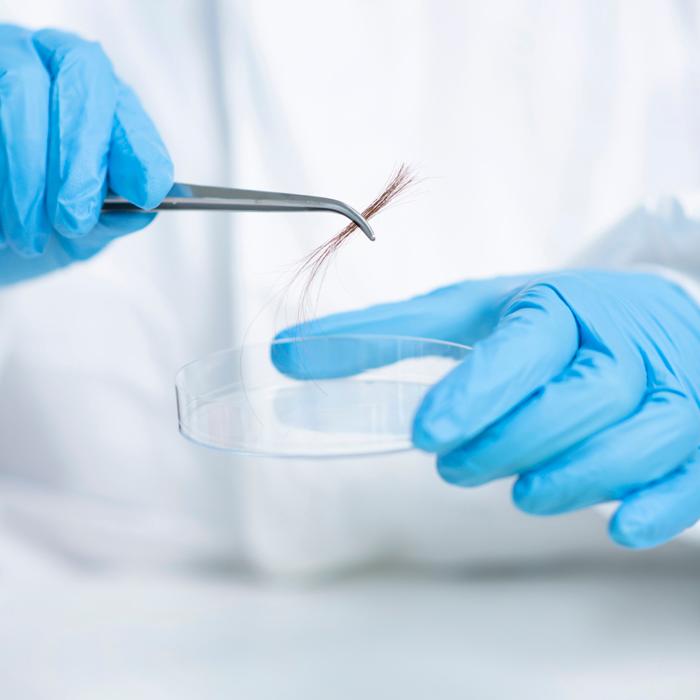
  • From harvesting to placement

    From harvesting to placement

    Grafts are harvested, separated and placed where needed. Careful handling and graft condition matter with either harvesting method.
  • One transplant a day

    One transplant a day

    Hair transplants demand full concentration and care, so we perform only one a day. Even for an experienced surgeon, two or more a day can harm results.

Hair transplant follow-up from the clinic

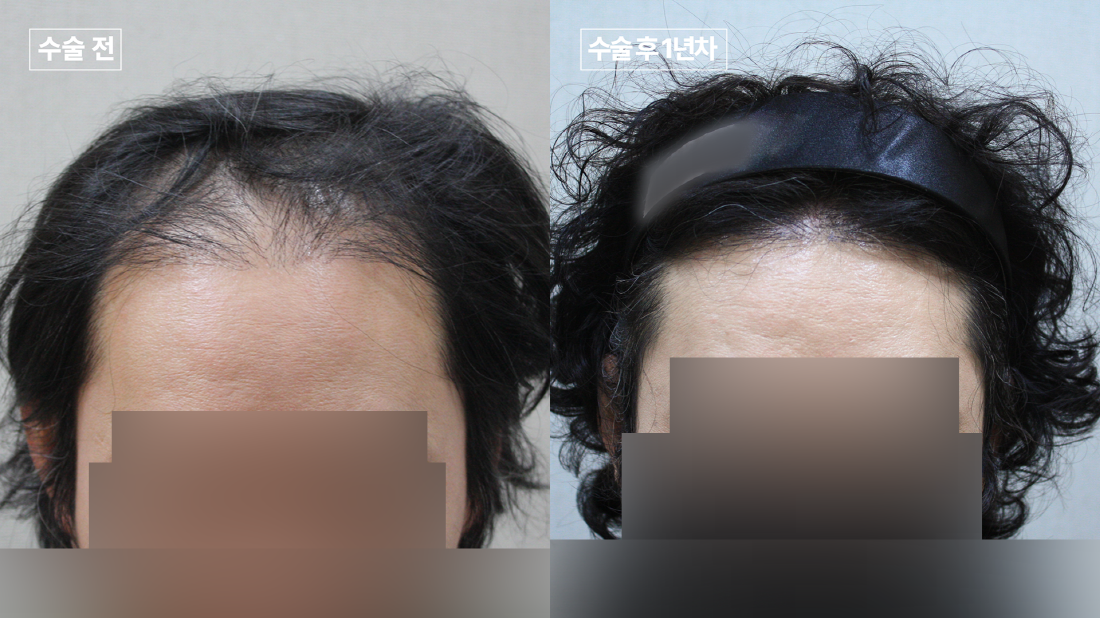
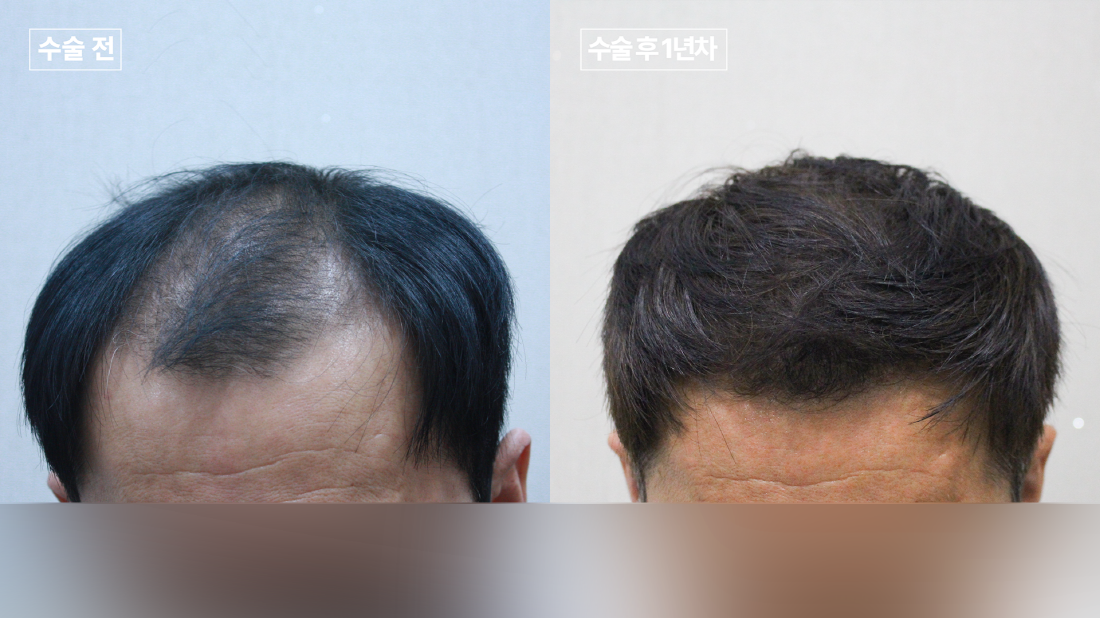
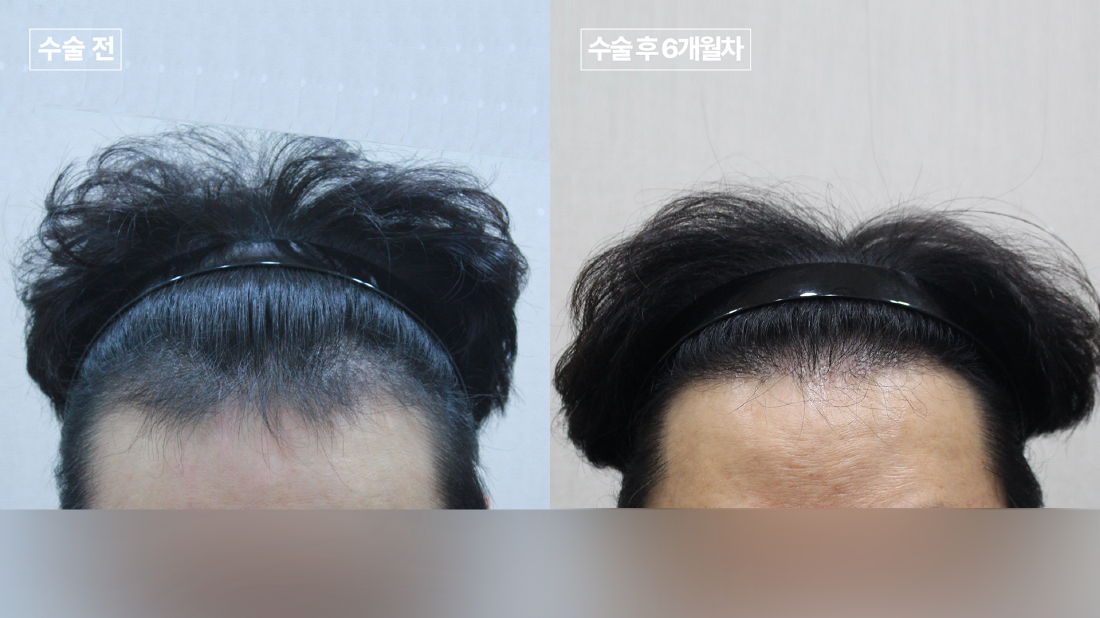
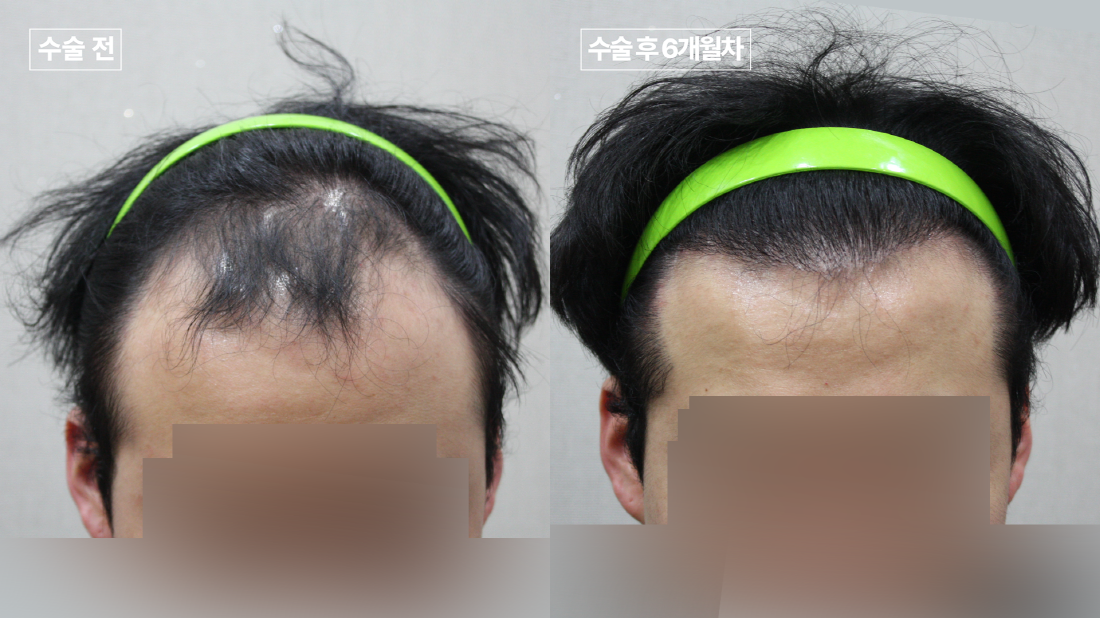
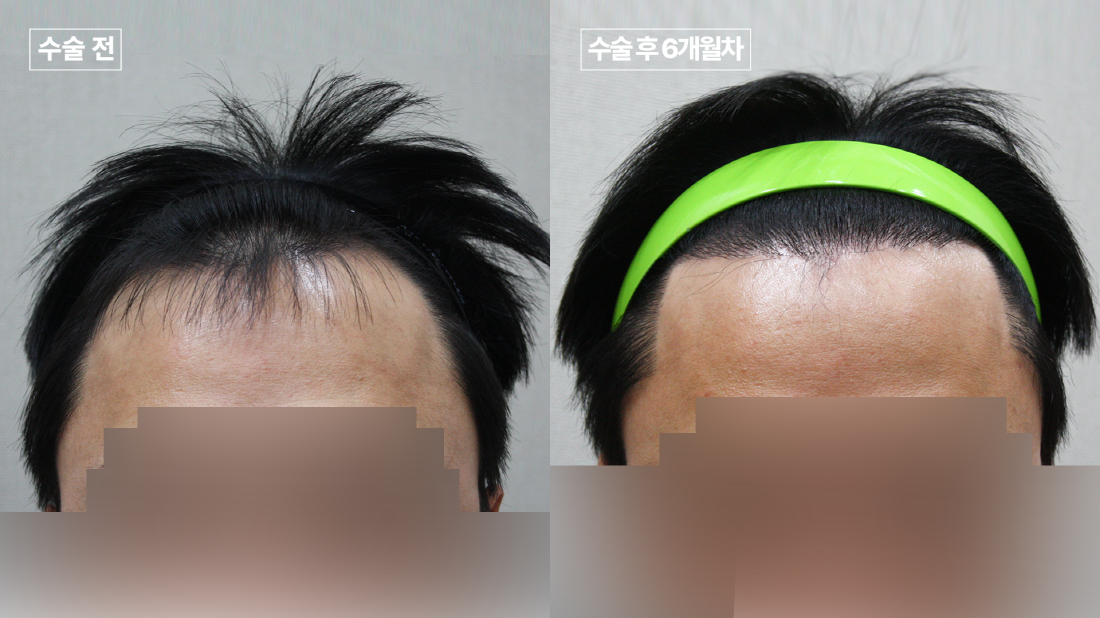
Clinic cases labeled with method and hair count. Each is individual; graft numbers and results depend on the donor area and hair-loss stage.
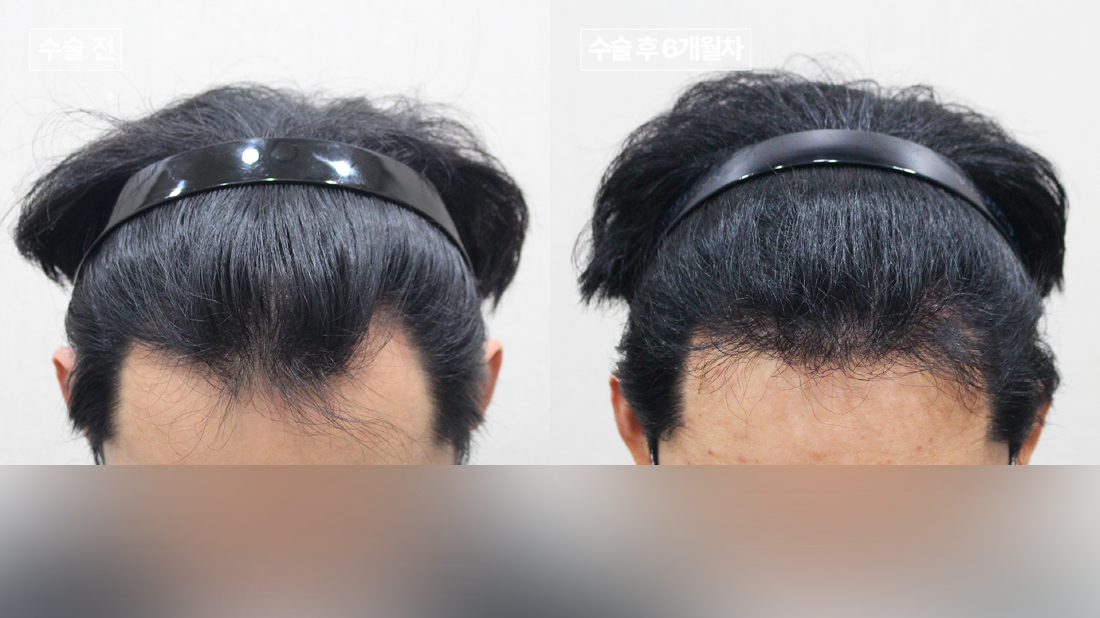
  • Case 1, FUT, 5,000 hairs

    Case 1, FUT, 5,000 hairs

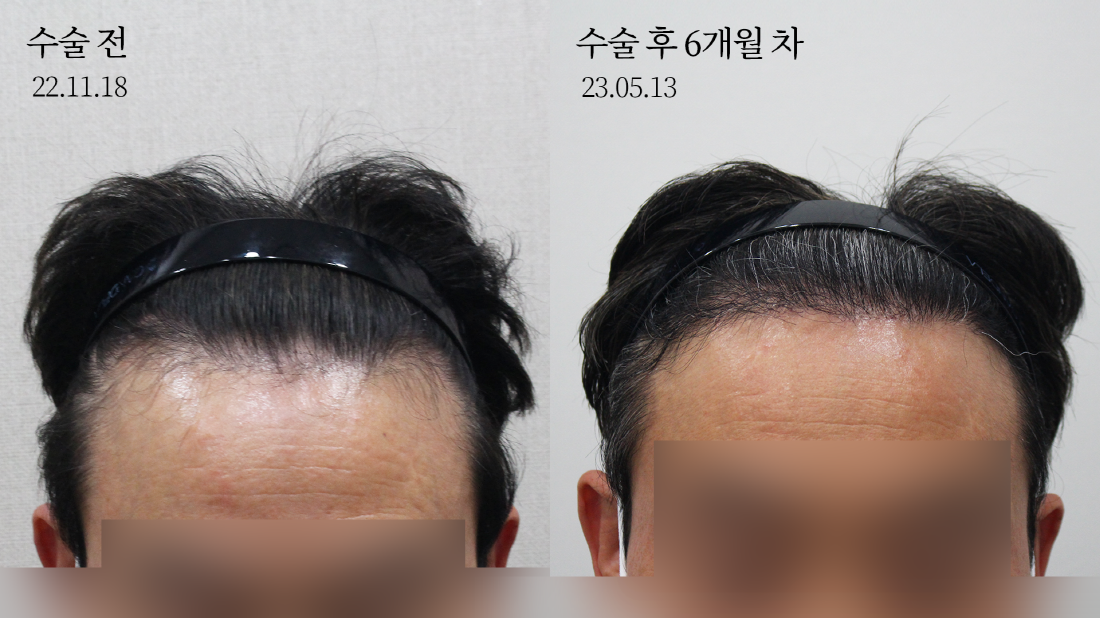
  • Case 2, FUE, 4,000 hairs

    Case 2, FUE, 4,000 hairs

  • Case 3, FUT, 3,000 hairs

    Case 3, FUT, 3,000 hairs

  • Case 4, FUE, 4,000 hairs

    Case 4, FUE, 4,000 hairs

  • Case 5, FUT, 3,000 hairs

    Case 5, FUT, 3,000 hairs

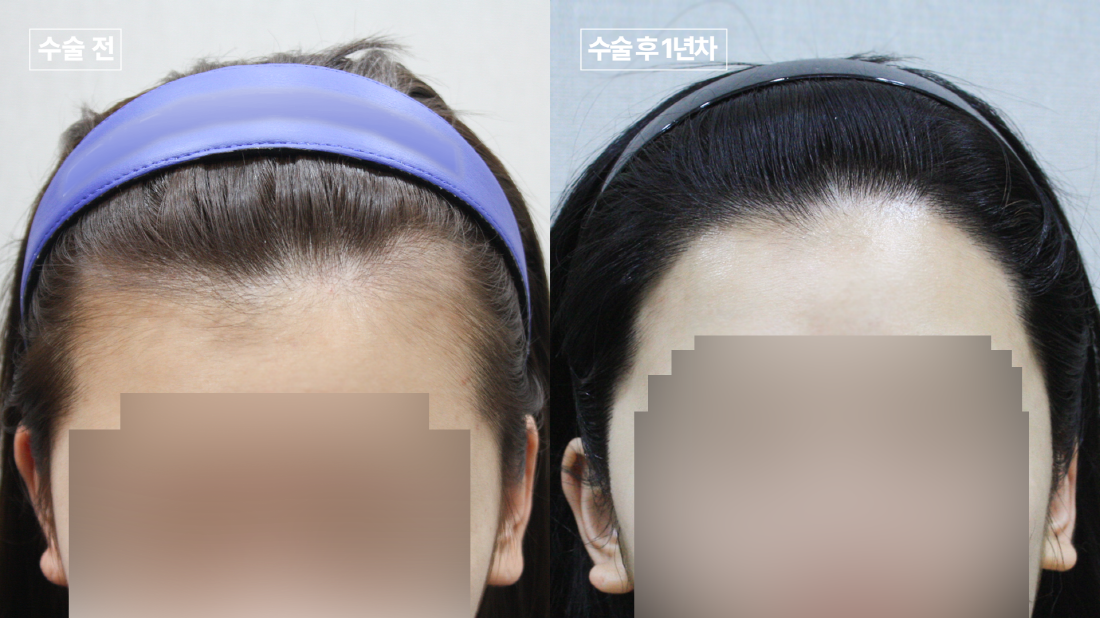
  • Case 6, woman, FUE, 3,000 hairs

    Case 6, woman, FUE, 3,000 hairs

  • Case 7, FUT, 3,000 hairs

    Case 7, FUT, 3,000 hairs

  • Case 8, FUE, 3,500 hairs

    Case 8, FUE, 3,500 hairs

Questions before your visit

Is FUT or FUE better?

Graft needs, donor density, scalp laxity and scar preference matter. FUE can leave small extraction scars; it is not scar-free surgery.

Are more grafts always better?

Donor follicles are limited. Allocation to the hairline or crown must also account for future hair loss.

Will my hair look full immediately?

Healing and hair growth take time. Follow-up distinguishes early shedding from later regrowth.

May I still need medication after a transplant?

Untreated native hair may continue thinning. Medication to preserve existing hair is assessed separately.

D&A Doctors

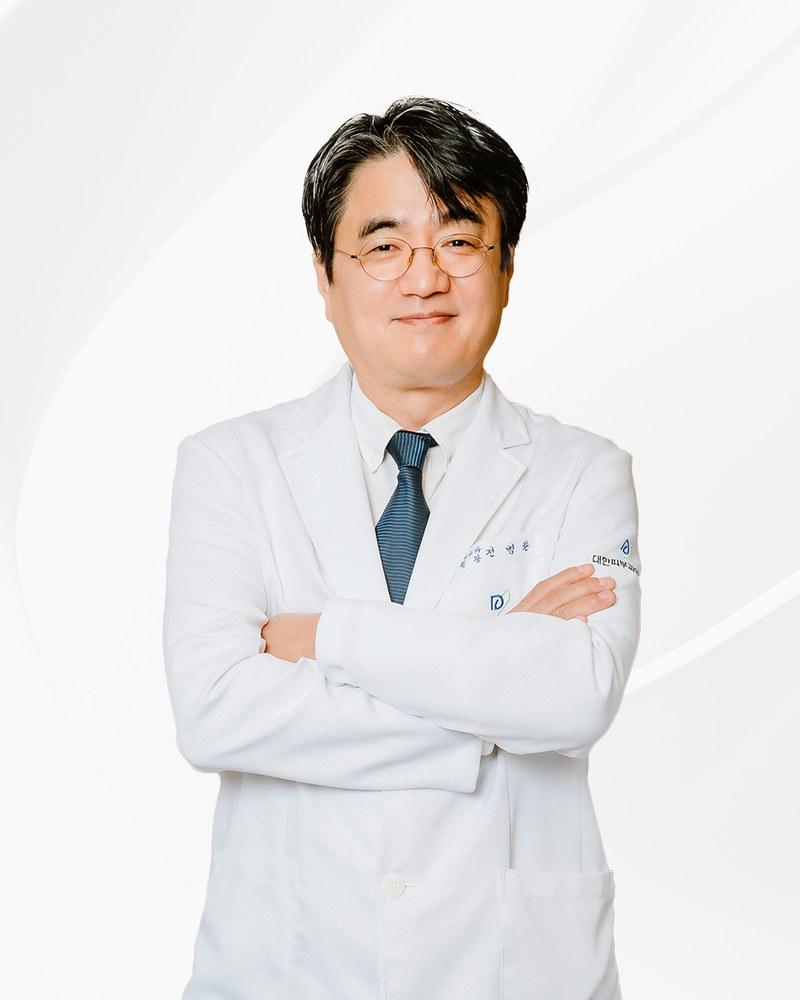
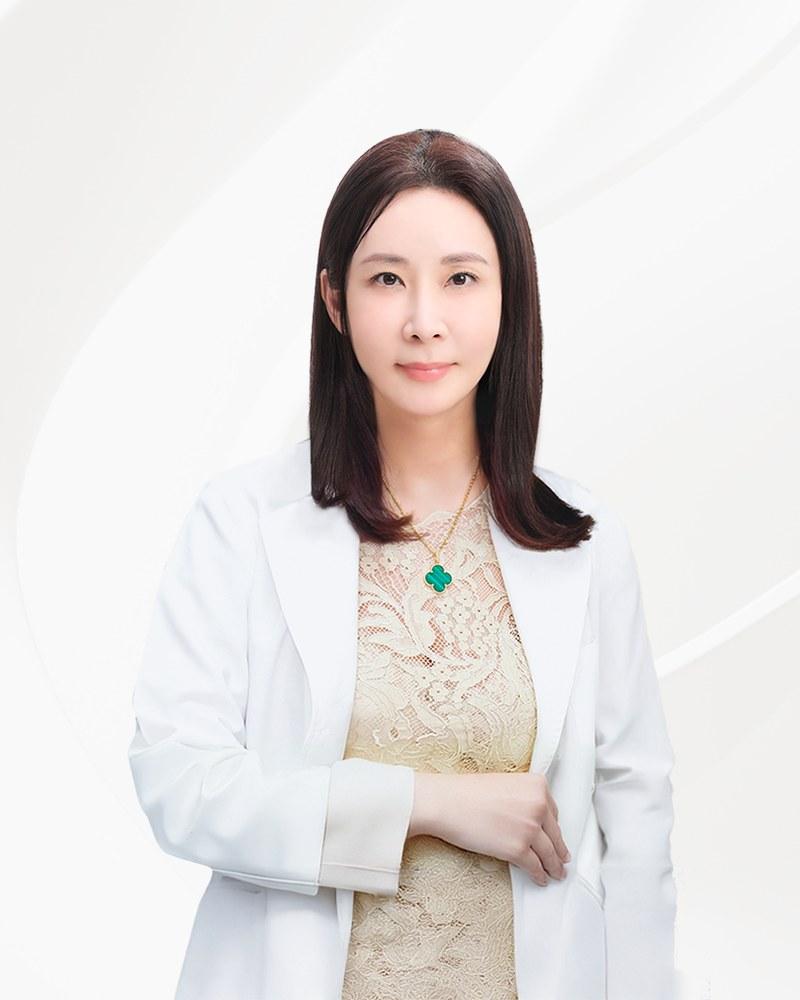
  • Dr. Chun

    Dr. Chun

    Medical Director · Board-certified dermatologist · M.D., Ph.D.

    Over more than 20 years of practice, equipment and techniques have kept changing, but honesty and trust have not. Adding safety to these, I will show this through my care.
  • Dr. Lim

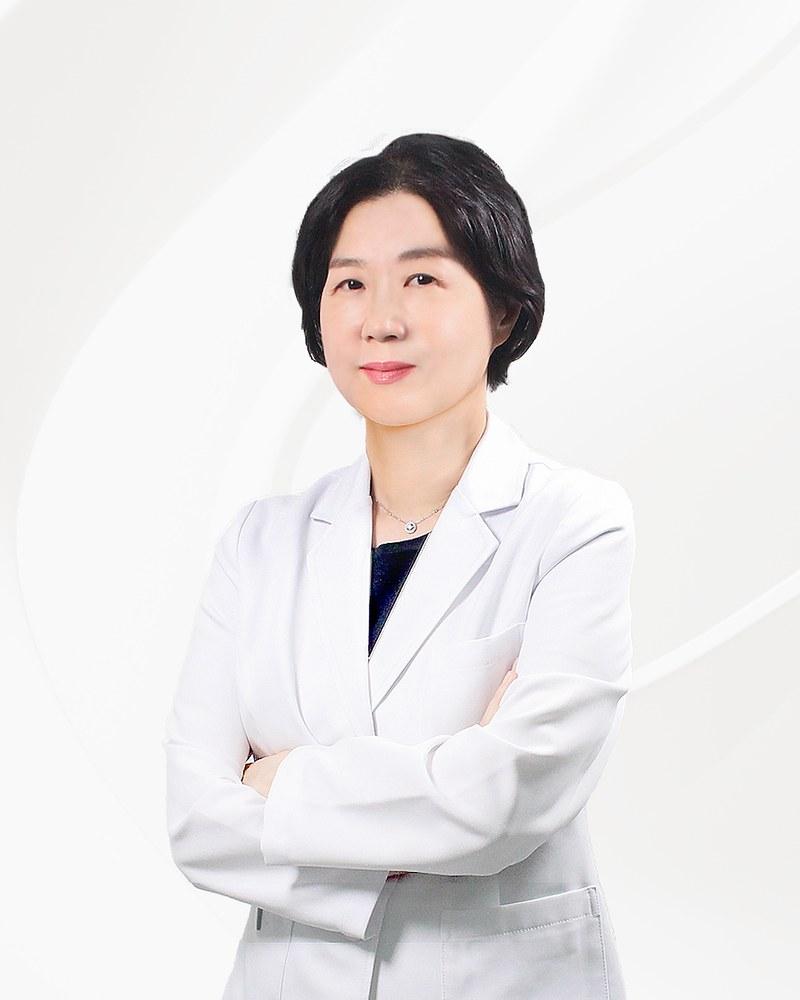
    Dr. Lim

    Board-certified dermatologist · M.D., Ph.D.

    I have spent many years caring for people who want healthy, beautiful skin. I will do my utmost so that everyone who visits D&A leaves satisfied.
  • Dr. Choi

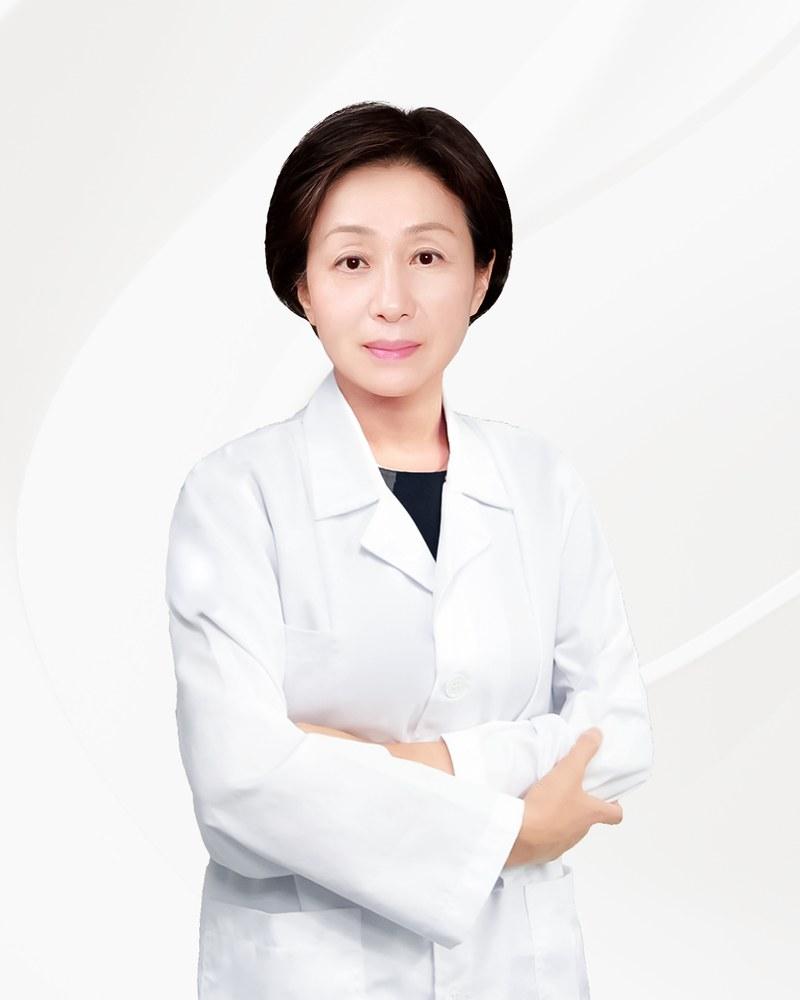
    Dr. Choi

    Board-certified dermatologist · M.D., Ph.D.

    Grounded in care and trust, I will treat each patient with sincere attention.
  • Dr. Byeon

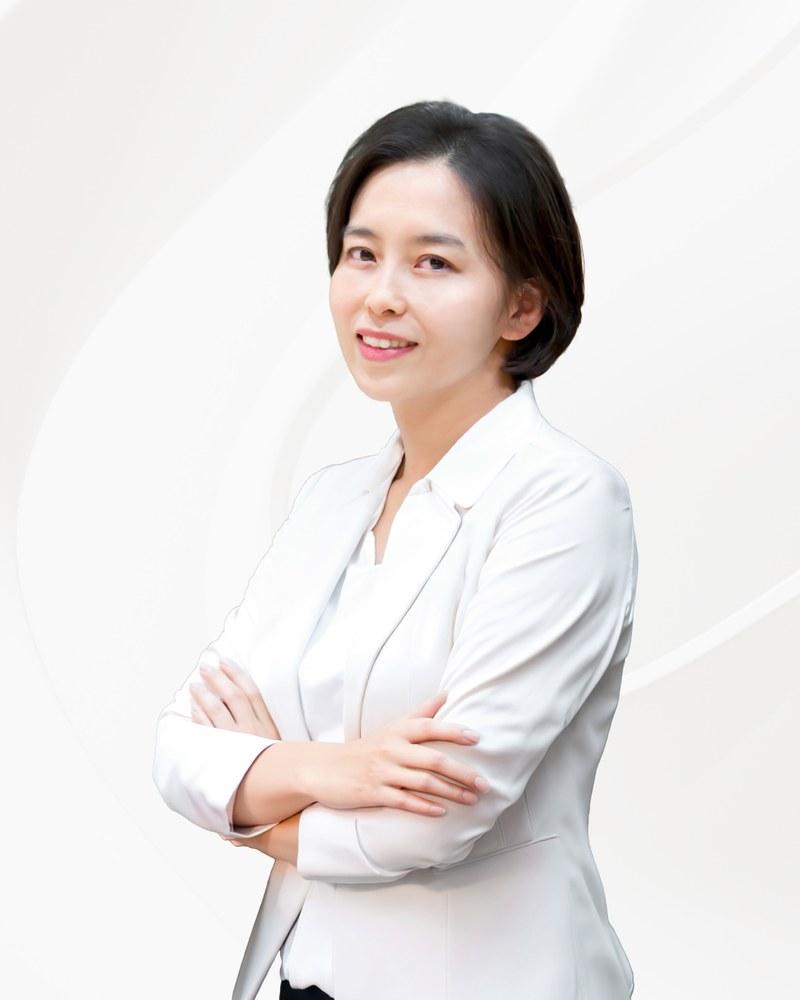
    Dr. Byeon

    Board-certified dermatologist · M.D., Ph.D.

    I believe the skin is not just about appearance. It is a mirror of confidence and attitude toward life. I will listen to each patient’s story and care for you so that your natural beauty can shine in a healthy way.
  • Dr. Lee

    Dr. Lee

    Board-certified dermatologist

    Every patient's skin is different, so I adjust treatment to match. I put skin health first and practice with honesty.
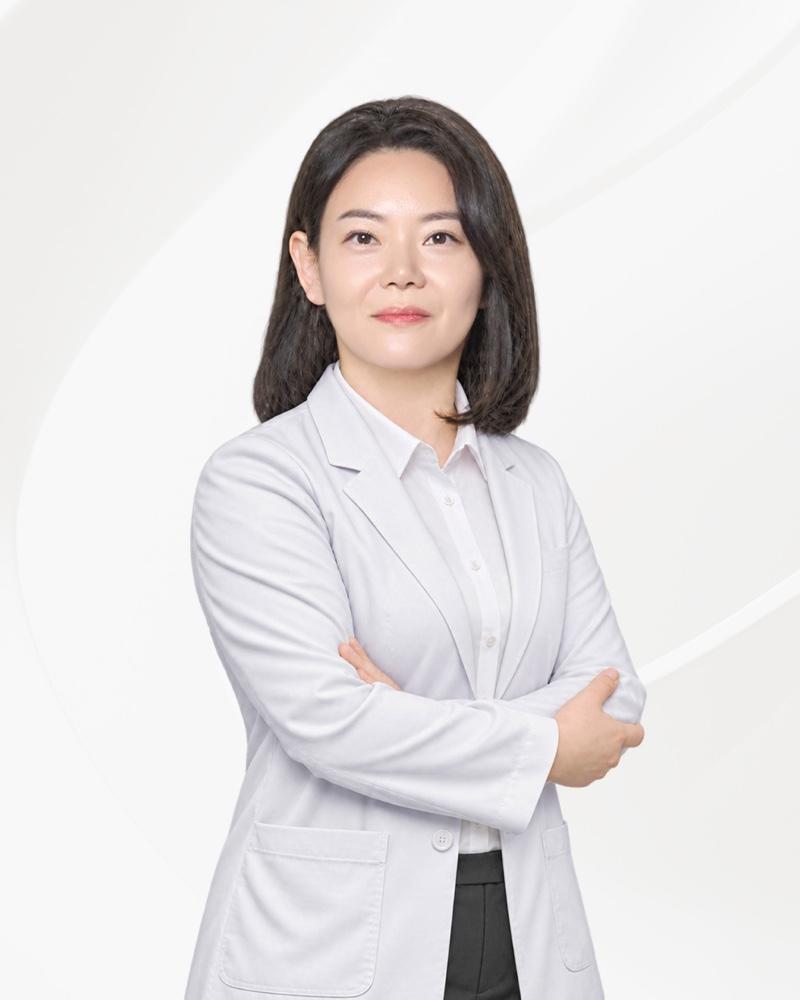
  • Dr. Park

    Dr. Park

    Board-certified dermatologist

    I design not just the skin you have today, but a lifetime of skin that glows healthily and naturally. I promise natural re-aging that gains value as the years go by.

Better skin tomorrow than today

Tell us your preferred date, time and skin concerns. Staff will check the schedule for same-day requests. After the deposit payment is verified, staff will confirm the final appointment schedule.