


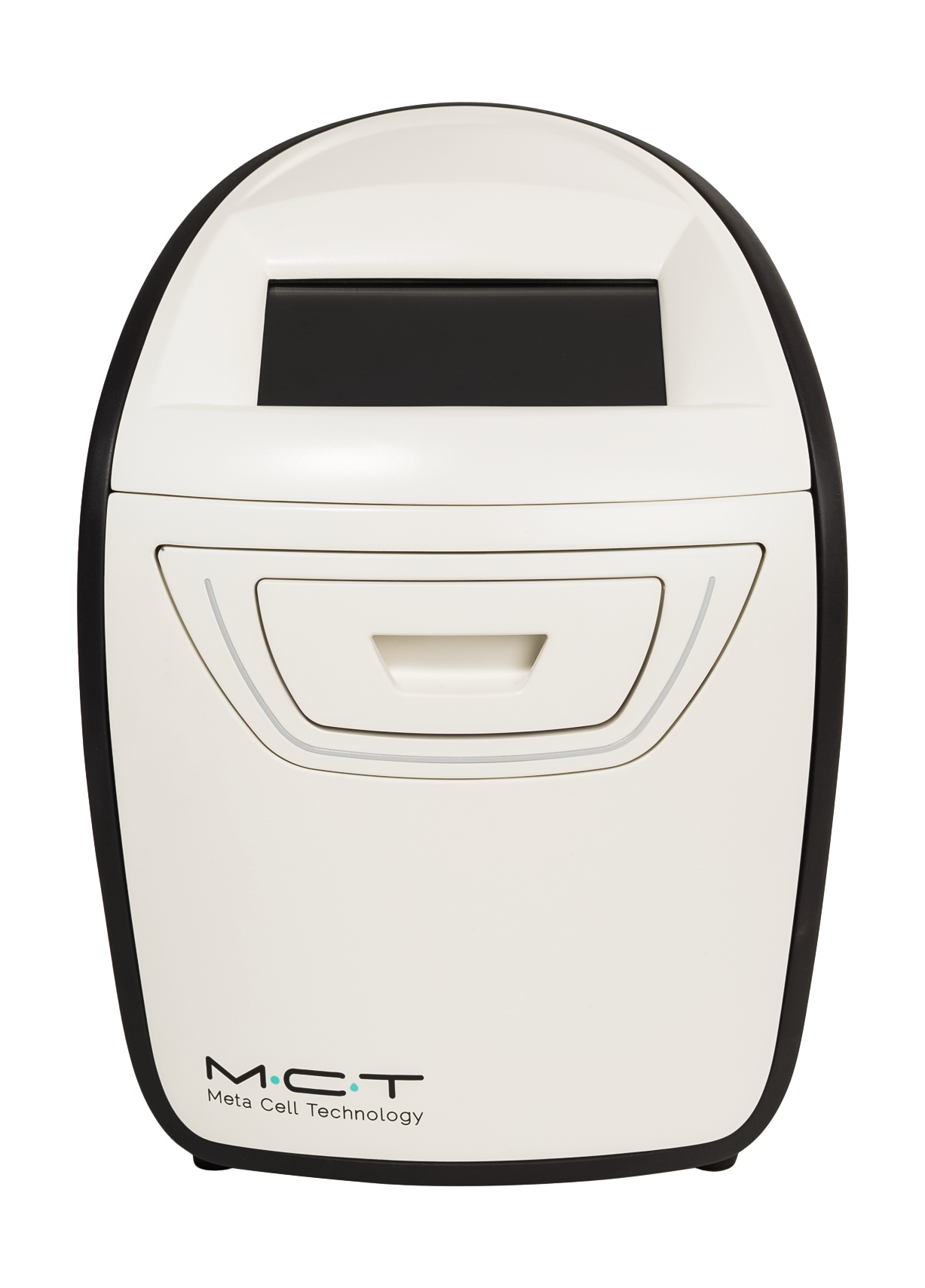

D&A Dermatology ClinicD&A Dermatology Clinic

Light and temperature for autologous material MCT

Meta Cell Technology applies controlled light and temperature to a kit containing autologous material. D&A explains how MCT fits into the program considered for your care.

Where MCT-conditioned material fits

Goals are selected for texture, firmness and scalp condition. Model images illustrate these concerns, not actual treatment results.

Texture and fine-line care

Autologous care may be considered for skin rejuvenation when rough texture and fine lines are concerns. Dryness, irritation and scars are assessed separately.

Firmness and skin condition

Care can target firmness and overall skin condition. The degree of laxity helps distinguish the roles of autologous care and lifting procedures.

Thinning hair and scalp care

Thinning hair starts with diagnosis of the cause. Scalp and follicular conditions guide whether autologous care may accompany established medication or injection treatment.

Texture and fine-line care

MCT light and temperature control

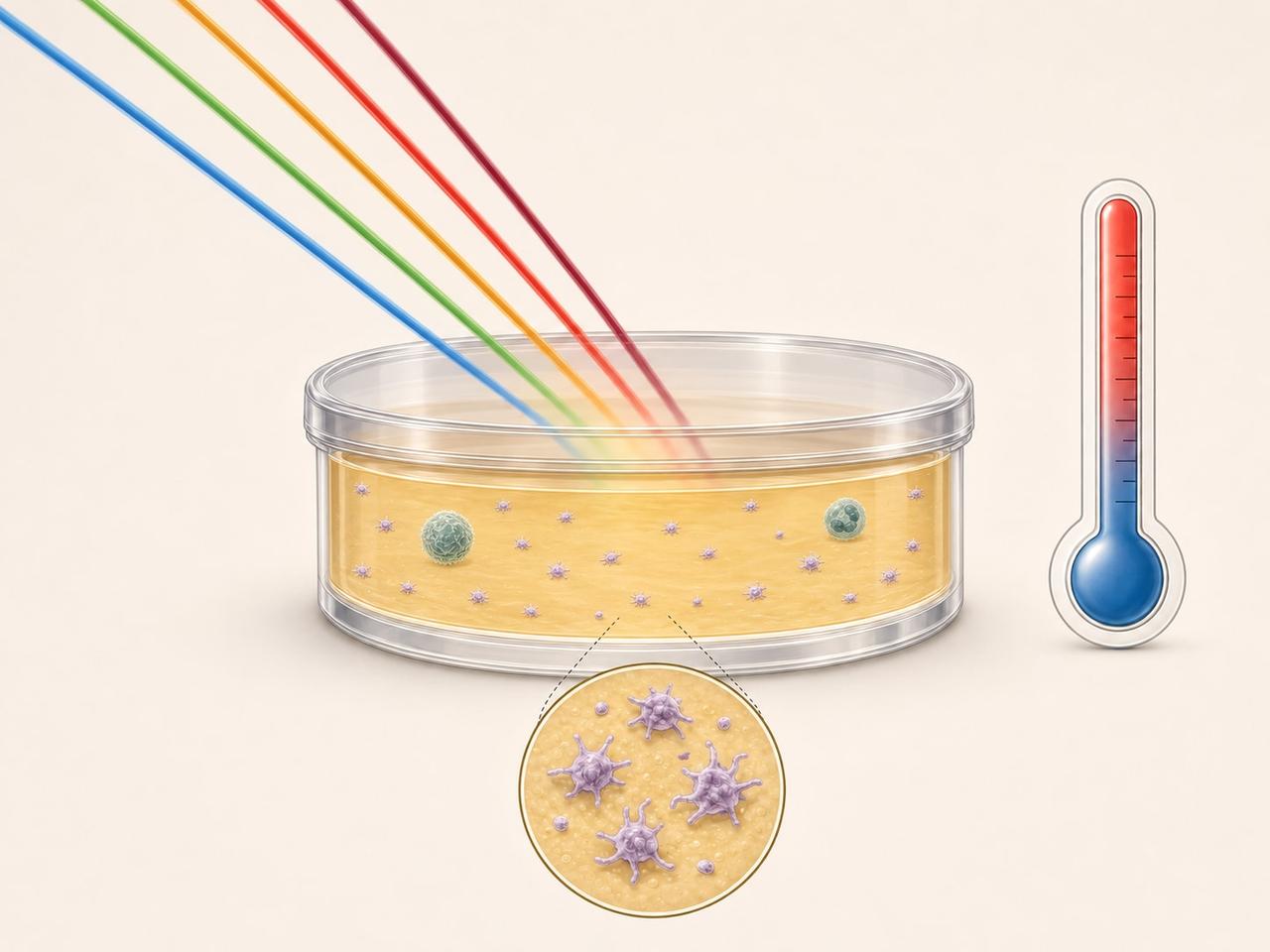
Controlled light and temperature are applied to a kit holding prepared autologous material. Its role is distinct from the equipment used to separate blood.

Light: multiple wavelengths

MCT applies several wavelengths of light to autologous material inside its kit.

Temperature: controlled preparation

The unit controls the kit’s temperature during preparation. The material and intended use determine the processing conditions and next steps selected by the clinician.

Why choose MCT at D&A

A newly introduced device and its processing conditions.

  • Newly introduced MCT

    Meta Cell Technology equipment newly introduced together with Zimmer GPS III.

  • Five light sources

    Light at five wavelengths, 467, 530, 591, 620 and 850 nm, is applied to the prepared material.

  • Controlled at 4 to 45°C

    The kit is held between 4 and 45°C. This is a processing condition for the material, not a temperature applied to skin.

Processed only outside the body

MCT’s light and temperature processing happens outside the body, only on the autologous material in the kit. Please distinguish it from treatments that apply light or heat directly to the skin.
Separate, condition, then apply

  • 1

    Prepare autologous material

    Autologous material is prepared through the preceding separation process.

  • 2

    Condition in the MCT kit

    Controlled light and temperature are applied to the material in the kit.

  • 3

    Use in the planned area

    The conditioned material is used in the area and manner selected by the clinician.

Frequently asked questions

How does MCT differ from a centrifuge?

A centrifuge separates blood components. MCT applies light and temperature to prepared autologous material. Their roles depend on the material and sequence in the program.

When can changes be assessed, and how long do they last?

Skin texture, fine lines and hair require different follow-up measures. Immediate swelling is not a treatment result; comparable photographs and examination help assess progress. Duration varies with the material, area, starting condition and accompanying care.

How are session numbers and intervals decided?

Sessions and intervals depend on the diagnosis and prior response, then are adjusted at follow-up. Ask about the overall plan and reassessment point rather than assuming a single session will address every concern.

Can collection or injections hurt or cause bruising?

Collection and injection can cause stinging, tenderness, bruising or swelling. Discomfort depends on the area and technique. Share previous reactions or sensitivity so pain management can be discussed.

When can I wash, wear makeup or exercise?

Instructions depend on the injection area and other procedures. Follow the clinic’s advice for washing, makeup and exercise and avoid rubbing injection sites. Refer to the aftercare page for procedure-specific guidance.

Can it be combined with lifting, boosters or hair-loss medication?

Combination care may be considered because treatments act differently, but not every combination belongs on the same day. Bring recent procedure names, dates and medications so the sequence can account for irritation and recovery.

Who may be suitable, and what should I disclose?

Suitability starts with the cause of skin or hair concerns. Disclose blood disorders, bleeding tendency, medications, pregnancy or breastfeeding, active inflammation or infection, and prior reactions. Do not stop medication on your own.

Connecting preparation and conditioning

A dermatologist decides which material to prepare first and why it is processed, then links it to the skin or scalp treatment plan.

We explain the device’s processing function separately from the changes you can expect, and check whether to combine it with your current treatments.
Before and after your procedure

  • Before your procedure

    Tell the clinician about medicines, blood disorders, pregnancy and any infection or inflammation. Do not stop blood-thinning medication on your own; discuss it with your clinician.

  • On the day of a blood draw

    Tell the team before the blood draw if you feel unwell or dizzy after a long period without food. Your clinician will explain the blood volume and appointment schedule.

  • Possible reactions afterwards

    Blood draws and injections can cause pain, bruising, swelling or bleeding, and carry a risk of infection. Contact the clinic if pain or redness worsens, or if you develop a fever.

  • Follow your treatment instructions

    Follow the care instructions given at your visit. On the clinic’s aftercare page, select the tab for the procedure you received.

Discuss the MCT process

Understand which autologous material receives MCT processing and where it will be used. We explain the sequence from preparation to application.